
Uncategorized

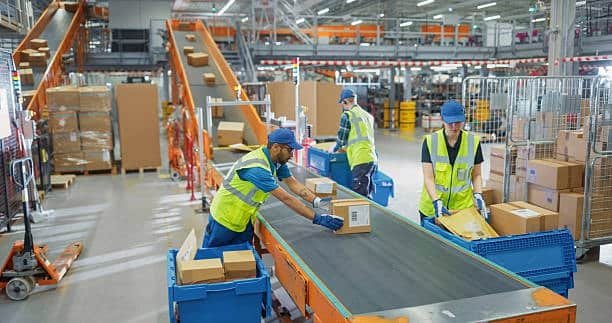
“Packages moving along conveyor belt in large fulfillment center for shipping orders”
Uncategorized

What Does Fulfillment Mean in Shipping?

The article explains that fulfillment in shipping refers to the complete process of managing customer orders—from receiving and storing inventory to picking, packing, and delivering products. It is a critical part of e-commerce and retail supply chains, ensuring customers receive their purchases accurately and on time.

It highlights that businesses can handle fulfillment in-house or outsource it to a 3PL (third-party logistics provider). Outsourcing offers benefits like faster shipping, access to advanced technology, reduced operational costs, and scalability, while in-house fulfillment provides more control but requires greater resources.

Multiple delivery vans parked in row representing transportation in logistics.
Uncategorized

Transport vs Logistics: The Key Differences

Transport refers specifically to the physical movement of goods from one place to another by road, sea, air, or rail. Logistics, on the other hand, is a broader concept that includes transport but also covers the entire process of planning, managing, and coordinating the flow of goods, services, and information. This involves inventory management, warehousing, packaging, order fulfillment, and supply chain coordination. In short, transport is one part of logistics, while logistics is the overall strategy that ensures products move efficiently, cost-effectively, and on time from origin to final destination.

E-commerce fulfillment center employees sorting and preparing packages for shipping.
Uncategorized

Fulfillment For E Commerce: Your Complete Guide to Streamlined Operations

It highlights that efficient e-commerce fulfillment is vital for customer satisfaction, as fast and accurate delivery builds trust and loyalty. The guide explores different fulfillment models, including in-house management, dropshipping, and outsourcing to third-party logistics providers (3PLs), each with its own advantages depending on a brand’s size and goals. It also emphasizes the importance of technology, such as inventory management systems and real-time tracking, in streamlining operations. Ultimately, the article shows that strong fulfillment practices not only cut costs and save time but also create a seamless shopping experience that helps e-commerce businesses scale and stay competitive.

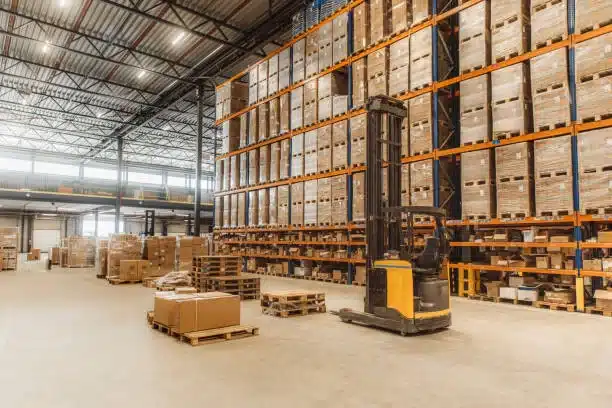
Distribution center warehouse with stacked pallets and forklift in operation.
Uncategorized

Fulfillment Center vs. Warehouse: Understanding the Key Differences

A warehouse is mainly used for long-term storage, keeping goods safe until they are needed for bulk distribution, often in B2B supply chains. In contrast, a fulfillment center is designed for fast, daily order processing, handling tasks like picking, packing, shipping, and returns, making it crucial for e-commerce and direct-to-consumer brands. While warehouses focus on efficiency in storing large volumes, fulfillment centers prioritize speed and customer experience. Many businesses strategically use both—warehouses for cost-effective storage and fulfillment centers for agile, real-time delivery.

Shopify logo with shopping bags symbolizing global e-commerce and international shipping.
Uncategorized

Shopify International Shipping: Complete Guide

It covers the essential steps, including configuring international shipping zones, calculating duties and taxes, selecting reliable carriers, and offering transparent shipping rates at checkout. The guide also highlights the importance of choosing between fulfillment methods like third-party logistics (3PL), dropshipping, or in-house management to match business needs. Additionally, it stresses the value of tracking tools, customs documentation, and clear return policies to build customer trust. Overall, the article shows that with the right setup, Shopify merchants can streamline international delivery, reduce risks, and create a seamless shopping experience for customers worldwide.

Uncategorized

Shipping from China to Switzerland: Complete Guide

The key to running a successful Chinese-Swiss shipping business is to pick the best method for your needs, taking into account all the costs and the ability to follow customs rules. When it comes to moving big shipments, sea freight is the cheapest option. Air freight is in the middle in terms of speed and cost, and express shipping is the best option for small or urgent shipments.

Companies can set up effective and cost-effective shipping processes between these two important trading partners by hiring experienced freight forwarders, making sure all the paperwork is in order, and planning ahead for busy times and special needs. Regularly looking at shipping costs and performance will help you improve your logistics strategy in the past.

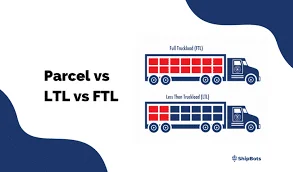
Illustration showing differences between LTL and FTL shipping with truckload examples.
Uncategorized

LTL vs FTL: Choosing the Right Freight Shipping Method

LTL (Less Than Truckload) shipping allows multiple shippers to share space in one truck, making it cost-effective for smaller loads but slower due to multiple stops and transfers. FTL (Full Truckload) shipping dedicates an entire truck to one shipment, offering faster transit, less handling, and reduced risk of damage—ideal for large, time-sensitive, or fragile goods. The guide emphasizes that the choice depends on factors like shipment size, budget, delivery deadlines, and product type, and concludes that selecting the right method can optimize costs, efficiency, and customer satisfaction.

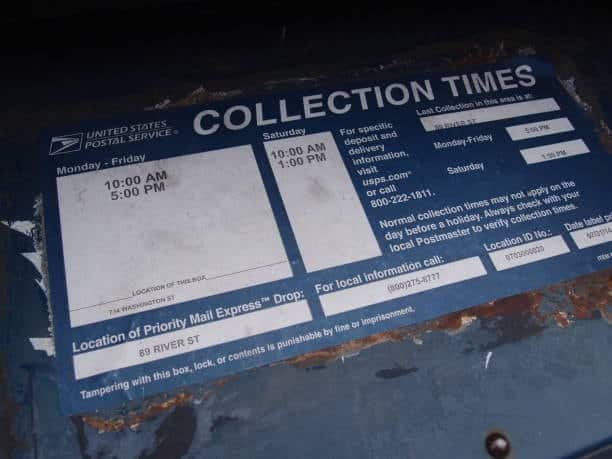
USPS mailbox with collection times schedule displayed.
Uncategorized

What Do USPS Tracking Statuses Mean? A Complete Guide

It explains statuses like “Pre-Shipment” (label created but package not yet received), “In Transit” (moving through USPS facilities), “Out for Delivery” (with a carrier and arriving soon), and “Delivered” (successfully dropped off at the destination). It also covers exceptions such as “Delivery Attempted,” “Held at Post Office,” or “In Customs” for international mail. By clarifying these terms, the guide helps shippers and recipients set accurate expectations, track delays, and better manage their deliveries.

Uncategorized

International Shipping Terms: Your Complete Guide to Global Trade Success

The guide explains the most important international shipping terms (Incoterms) that define the responsibilities of buyers and sellers in global trade. It highlights how these standardized terms—such as FOB (Free on Board), CIF (Cost, Insurance, and Freight), EXW (Ex Works), and DDP (Delivered Duty Paid)—impact costs, risk transfer, and logistics responsibilities.

Scroll to Top