
Uncategorized

Diagram showing fulfillment planning process including order management, shipping, delivery, and returns.
Uncategorized

eCommerce Fulfillment Planning: Your Complete Guide to Success

It highlights the importance of aligning inventory management, warehousing, order processing, shipping, and returns with business goals. The article emphasizes selecting the right fulfillment model—whether in-house, third-party logistics (3PL), or hybrid—based on factors like order volume, scalability, and cost efficiency. It also covers how technology and automation improve accuracy, speed, and tracking visibility. Ultimately, successful fulfillment planning requires balancing efficiency, cost control, and customer experience to drive growth and long-term success in eCommerce.

Uncategorized

CFS Shipping Terms: Complete Guide for Smart Logistics

The article introduces CFS (Container Freight Station) in logistics, a key facility where goods are consolidated, deconsolidated, and temporarily stored during the shipping process. CFS plays an essential role in LCL (Less than Container Load) shipments, allowing multiple shippers to share container space, which reduces costs and improves efficiency.

It explains the main functions of a CFS, including cargo receiving, inspection, customs clearance, container stuffing and stripping, and final delivery preparation. These stations help streamline operations, minimize port congestion, and provide flexibility for both importers and exporters.

Uncategorized

What Is FCA (Free Carrier) Incoterm and Term FCA Incoterms? — A Complete Guide

The article explains the FCA (Free Carrier) Incoterm, one of the most flexible and widely used terms in international trade. Under FCA, the seller is responsible for delivering goods, cleared for export, to a carrier or another party chosen by the buyer at an agreed place—this could be the seller’s premises, a warehouse, or a transport hub. Once delivery is made, risk and responsibility transfer from seller to buyer.

It highlights why FCA is popular: it works for all modes of transport (air, sea, road, or multimodal), gives buyers more control over shipping arrangements, and avoids some limitations of terms like FOB.

Uncategorized

CIF Means: The Sea-Loading Risk Point Every Importer Must Understand

The article explains the meaning of CIF (Cost, Insurance, and Freight), one of the most commonly used Incoterms in international trade. Under CIF, the seller is responsible for covering the cost of goods, marine insurance, and freight charges until the cargo reaches the buyer’s destination port. However, the critical risk transfer point happens at the port of shipment—once the goods are loaded onto the vessel, the risk shifts from the seller to the buyer.

Uncategorized

Clothing Fulfillment: The Complete Guide for Fashion Brands

The article explains how clothing fulfillment works and why it is essential for fashion brands selling online or across global markets. Clothing fulfillment covers the entire process from receiving inventory, warehousing, and quality checks to picking, packing, and shipping apparel orders directly to customers.

It highlights the unique challenges of fashion logistics—such as managing multiple sizes, colors, and SKUs; handling returns efficiently; maintaining branding through custom packaging; and ensuring fast delivery in a highly competitive industry.

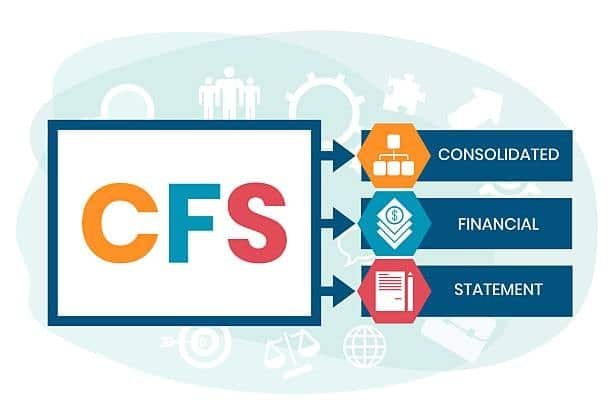
“CFS charges infographic explaining container freight station costs and breakdown”
Uncategorized

How to Calculate CFS Charges: A Complete Guide

The article explains how CFS (Container Freight Station) charges are calculated and why they matter in international logistics. These charges apply mainly to LCL (Less than Container Load) shipments, where cargo from multiple shippers is consolidated or deconsolidated at a CFS.

It breaks down the common cost components, including handling fees for loading/unloading, storage costs, documentation charges, customs inspection fees, and consolidation/deconsolidation services. Charges are usually based on cargo volume (CBM), weight, or a minimum flat fee, whichever is higher.

Conveyor belts transporting parcels through fulfillment center operations.
Uncategorized

Understanding Fulfillment Center

The article explains that a fulfillment center is a logistics hub where businesses store inventory and process customer orders for shipping. Unlike traditional warehouses that focus mainly on storage, fulfillment centers are built for fast order processing and distribution, making them essential to e-commerce and global retail.

It outlines the core functions of a fulfillment center: receiving and storing inventory, tracking stock with digital systems, picking and packing customer orders, shipping through carrier networks, and managing returns or exchanges.

Scroll to Top