In the hectic world of e-commerce, fulfillment refers to the concept that has become significant to any ecommerce business intending to impress its customers. As an entry point or already existing company looking to distribute into the international market, the fulfillment process can either be the distinguishing factor making up or breaking your success in the competitive business market.
What is Fulfillment?

Fulfillment in shipping When orders are placed in shipping there is the entire process of order management software, taking the orders of the customers, processing them and delivering them to the customers. It covers all that past the clicking of the buy button on your site until the product delivery to the customer. The extensive process involves the management of inventories, accepting orders, picking as well as packing of the products, making arrangements of transport, managing returns.

Fulfillment, in its basic definition, entails the conversion of customer orders to contented deliveries. It deals with the actual movement of the goods in different phases: it includes maintaining the stocks in warehouses, in time coordination with the shipping carriers, locating the packages and delivering them on time. The current fulfillment processes have gone way beyond mere storing and shipping facilities, and these efficient fulfillment processes also face fulfillment challenges that encompass automated inventory control systems, perishable products as well as updates on the location in real time, plus numerous value-added options on the offered products such as custom packages and assembling.
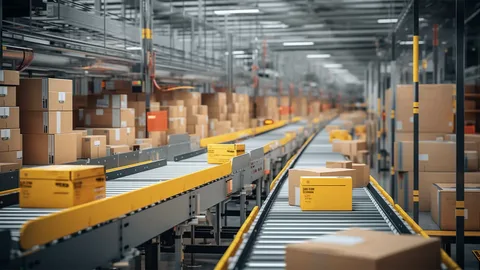
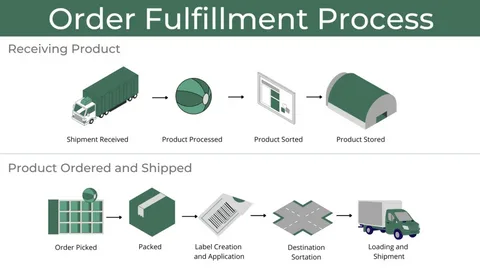
Fulfillment is usually initiated when an inventory is received on a warehouse facility. Products received are checked on their quality and scientifically put in their proper place. Upon receiving the order, the filling staff takes them out of the inventory and provides them with the packaging necessary in terms of size, weight and prepares them to be shipped with due care to the respective locations using the most suitable transportation available considering the costs estimates and the delivery conditions.
Types of Fulfillment Services
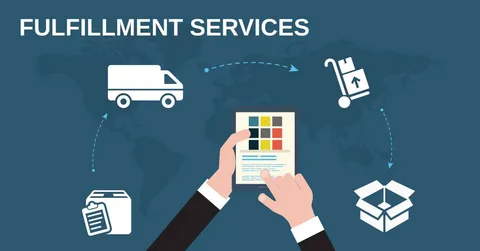
Knowledge of the various fulfillment strategies assists a business to decide on the appropriate fulfillment strategy that can boost customer satisfaction and apply to their business operations, financial capabilities and growth strategies.
In-House Fulfillment

The in-house fulfillment company option involves doing all the order processing, storing and shipping within your company with the involvement of your resources, facilities and staff. The method provides companies with full control over all areas of the delivery process, which often involves working with a fulfillment provider including shipping deadlines to the packaging quality. Businesses with in-house fulfillment normally have their own storage space, use their own team to do picking, and packing and set up the direct relationships with the shipping companies.
The main benefit of the in-house fulfillment is control. Businesses are able to tailor each element of the customer experience, to adopt any particular standard of quality, and to modify the procedures in real-time whenever necessary. This strategy is especially effective in the case of companies that foster brand loyalty having a fixed order size, specialized products that may need special handling or special package specifications that make their brand distinguished.
But in-house fulfillment needs large out-of-pocket costs in terms of warehouse space, equipment, and technical systems and staff. Since the volumes of orders vary depending on the season, companies have to deal with the issues of either expanding or downsizing operations and stay efficient and cost-effective.
Third-Party Logistics (3PL)
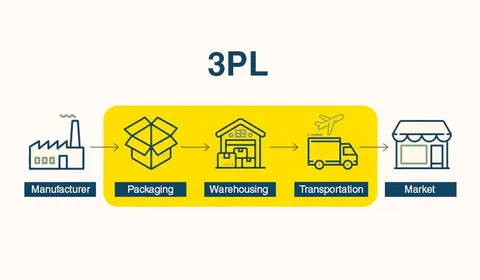
Third party logistics providers act as a fulfillment provider, supplying full scope fulfillment status services which enable a company to outsource their entire order fulfillment process to experts. 3PLs provide their own warehouse and facilities, trained staff, and many of them use advanced technology systems to process the orders of multiple clients efficiently.
Collaboration with a 3PL provider has a number of very interesting benefits, including enhanced customer service support . Businesses have access to available infrastructure services and expertise at no significant capital investment and typically 3PL service providers offer flexible solutions able to scale with businesses and seasonality changes and their niche focus on fulfillment operations often leads to increased efficiencies and reduced costs per unit compared to in-house operations.
Companies offer more with professional 3PLs, including carrier relations, technology platforms and operational expertise. They tend to negotiate a lower freight rate because of their tonnage, can offer high level tracking/reporting options, and value added services such as custom packaging, assembly of product, and handling returns. In cases where an organization seeks to enter another country and grow its operations, global networks of 3PL providers can provide international transportation with the help of a shipping carrier and meet customer expectations along with all the complicated customs demand.
Key Components of a Fulfillment System
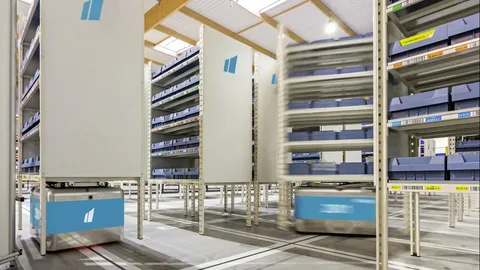
A strong fulfillment system is based on frequently used parts that are combined so that an order can be processed and shipped effectively. Knowledge of such elements assists companies to gauge their current potential and narrow down on areas that need development.
Effective fulfillment operations are based on advanced inventory management systems and proper real-time information on the stock position, ensuring a methodical storing and organizing mechanism and also ensuring management of stock replenishment as a way of precluding stock outs. This entails ensuring proper real-time information on the stock position, ensuring a methodical storing and organizing mechanism and also ensuring management of stock replenishment as a way of precluding stock outs. Automated data analytics inventory systems keep track of all stock and employ stock optimization to optimize inventory management issues levels and anticipated demand requirements and line of process receiving automation.
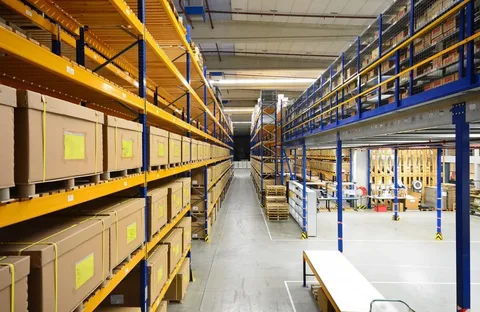
Order processing systems process the work related to receiving the order till the preparation of shipments. Such systems including order processing should be connected with e-commerce systems, market places, and other sales channels to capture order information mostly through automatic features, validate payment details, and direct orders to corresponding fulfillment point. Speedy process of orders will automate the orders and thus decrease the chances of mistakes that might affect customer satisfaction.
Warehouse operations involve the physical activities that include receiving of products, warehousing, picking, packing, and shipment of products. Warehouse management systems have improved these operations by means of strategic placement of items, optimum picking routes and packaging automation. Quality control procedures make sure that the products are satisfactory before they are shipped, whereas packaging operations safeguard the products in transit and also strengthen the brand identity.
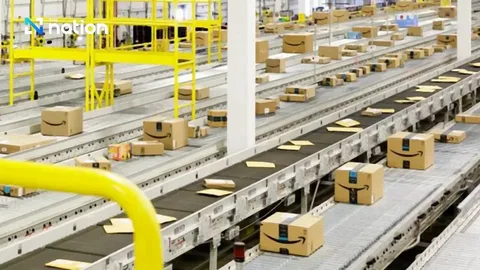
Shipping and carrier management entails managing a variety of transport providers to facilitate the effective delivery within reasonable costs. This involves rate shopping among carriers, choosing the right level of service according to the tastes and demands of the customers as well as according to the demands that need to be shipped, and dealing with all the complexities of international shipping where applicable.
All these items are connected by the incorporation of the technology into the software platforms offering visibility, automation, and analysis. Through such systems, it is feasible to track the fulfillment in real-time, monitor performance, and use data to make decisions continuously to enhance the overall fulfillment activities.
Choosing the Right Fulfillment Partner
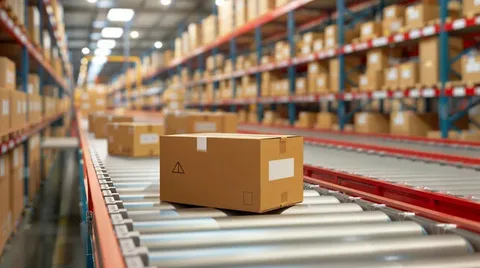
Choosing the most adequate fulfillment strategy and partner is something that has to be thoroughly evaluated in regard to numerous factors that affect not only the efficiency of the operations of the partner but also the customer satisfaction. The choice will majorly affect how you scale operations, hit targets and exude excellent customer experiences.
Location strategy is very essential in the process of fulfillment success. Strategically located partners may have the advantage of shortening the shipping time and reducing the shipping costs and at the same time deliver to their major customer markets more quickly. Look at multiple location providers capable of utilizing distributed inventory plans and ensuring a shorter distance between stock and their consumer, not to mention alternative resources in times of surge or other calamities.
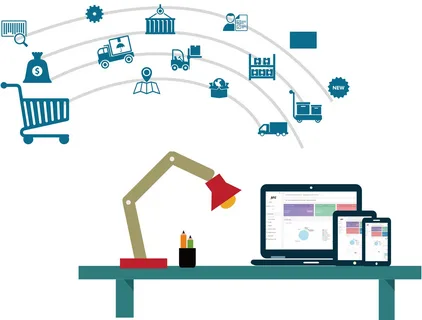
Modern fulfillment operations are getting more and more dependent on technology abilities. In the potential partner assessment, look at warehouse management systems, integration to your existing systems, real time visibility tools, and reporting capabilities. Good technology platforms provide improved inventory control to improve operational efficiency , order fulfillment and customer communication during the fulfillment process.
Scalability and flexibility are also the factors that define how well a given fulfillment partner will be able to adapt to your business needs as the situation evolves. Seek out companies that will be able to accommodate peaks and valleys while ensuring fast delivery , ability to move with a fast growing business, and modifying services to match the demand. The unique feature of scaling up the operations in an efficient manner helps it avoid disruptions in the peak times and sustains a business in the future.
The quality of service and specialization is important in customer satisfaction. There also are additional particular methods of fulfillment such as and expert knowledge with special needs such as temperature-controlled storage, hazmat or fragile products. Review the providers according to their history on their effectiveness, the rate of damages, and customer service responsiveness.
Transparent cost structure would mean that the cost of fulfillment does not exceed your budget and model. Be wary when outsourcing order fulfillment and comparing pricing models, and ensure it is not only basic storage and shipping prices but of added value services fees, peak season charges, and even hidden expenses. The lowest cost provider is not necessarily the lowest priced= think about the entire value proposition or package such as quality of services and capabilities.
Technology in Fulfillment Operations
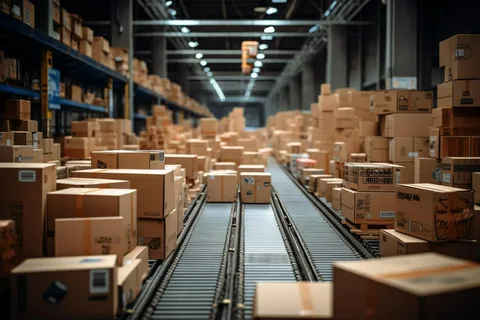
Technology has transformed fulfillment work and has allowed it to be more accurate, efficient, and enjoyable to the customers. With upcoming order volumes and the pressure to keep the quality standards high, modern fulfillment centers take advantage of sophisticated systems and automation to cope with the challenges.
Warehouse Management Systems (WMS) in a way is the central nervous system of a fulfillment process. All these platforms can optimize the placement of inventory, create efficient picking paths, manage labor and give real-time visibility of all activities in the warehouse. Artificial intelligence and machine learning installed in advanced WMS systems allow constantly enhancing its operations by referring to the past data and performance trends.
The process in physical fulfillment is being altered through automation. Automated storage and retrieval systems are maximized in the utilization of the warehouse space, and the labour requirements are minimized. Robotic picking systems are more precise and fast, especially when there is repetitiveness in picking, high-volume goods. Automated packaging guarantees a uniform presentation and a minimum use of material and provides a minimum labor content.
Integration capabilities incorporate fulfillments activities with business systems. PE Pipes and data fro live use are used so that communication can go on easily between e commerce software, inventory management systems, accounting programs and customer relation management tools. It does away with manual keying, minimizes errors and also gives a wide view of all business activities.
By converting fulfillment data into actionable information data analytics and reporting tools will help turn fulfillment objectives and KPIs into success. Such systems monitor the most important performance parameters, such as accuracy of orders, speed of fulfilment, inventory turn, and customer satisfaction indicators. Predictive analytics make it possible to guess the demand pattern and optimize inventory management and see any possible improvement in the operations.
Warehouse personnel have been enabled by the power of mobile technologies with information provided on real time and workflows have been facilitated, making managing inventory more efficient . Mobile applications and devices are involved in controlling the picking process, maintain immediate updates of the inventory, and improve quality management practices. Such tools also make work more productive and less demand on training new members of the staff.
Fulfillment Challenges and Solutions
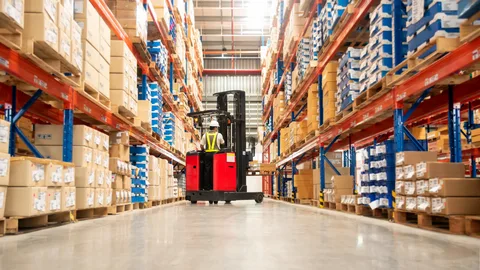
The well thought-out fulfillment processes endure continuous issues that need active management and innovative solutions. Knowing how it is typically difficult allows the business to be prepared to handle the problems as well as taking precautionary measures.
The issue of inventory accuracy has been a problem in the fulfillment operations. Differences between physical inventory and the computerized records results in stock drops, overselling, and customer dissatisfaction. The solutions include adoption of cycle counting program, barcode scanning technology as well as getting clear procedures on receiving and putaway processes. Audits and reconciliation that are carried out regularly help keep it accurate over time.
The so-called seasonal effects can also pose capacity problems on fulfillment operations. These peak seasons such as holidays, the back-to-school holiday, promotional events among others may saturate the standard capacity and the slowing down period may leave loose resources. Examples of effective measures are flexible workforce thus variable staffing, strategic placement of inventory and association with providers capable of building and reducing capacity as required.
Quality control and order correctness must be paid much attention so that errors should not occur and affect customer relations. The remedies involve the application of numerous verification checkpoints, technology to direct and check the picking process and setting clear quality standards with frequent training practices. Root cause analysis and error tracking provides a way in which a systemic problem can be identified and therefore recurrent problems must be cured.
The challenges of shipping cost management are going to become more involved since the demands of clients regarding the speed and low prices of the delivery are growing. Some of the strategies to consider are the optimization of packaging to avoid partial charges on the basis of dimension weight, better carrier rates through volumes and commitments and zone skipping strategies or regional distribution to make the shipping distance minimal.
Return processing poses its own problems when it comes to reverse logistics, necessitating the need to have effective systems that would process the returned items keeping customers happy in the process. Elements of effective returns management are well-informed returns policy, simplified returns authorization procedures, and sensible inspection and replenishment routine of returned products.
Impact of Fulfillment on Customer Experience
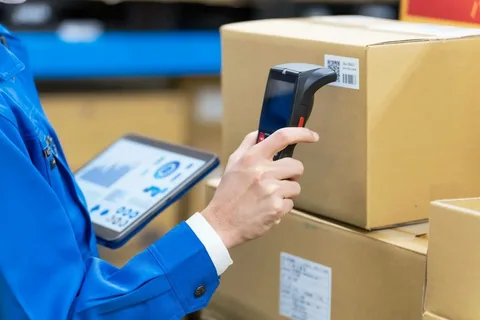
The use of order fulfillment in efficient fulfillment operations has a direct and strong impact on customer satisfaction and loyalty rendering it an critical piece of indispensable integration in the general success of a business. The entire fulfillment process plays a role in how the customer will view your brand and whether or not they are going to purchase additional products outsource fulfillment.
The accuracy of ordering pre-conditions positive customer experiences. When they get what they requested in an impeccable state it creates trust and esteem towards your brand supply chain management
. On the contrary, failure in fulfillment may result in frustrations, incurrence of additional expenses in returning and replacing of items, and may cost loss of customers. Quality improvement in systems and processes by investing in systems and processes that maintain high accuracy levels is worth the investment as customers have satisfied needs and cost of customer service is low.
Competitive markets have made delivery speed and reliability one of the main points of reference. The customers are becoming used to speedy, consistent delivery characterized by accurate supply chain tracking information of the shipping process. Exceeding or meeting delivery expectations will build good experiences that will result to repeat business and positive reviews. Efficient communications regarding delivery schedules and actions taken to keep them informed on any setbacks assist in ensuring the customer expectations are managed in an informed way shipping labels.
Quality and appearance in packaging are relevant factors to the done in opening the box that customers can share on social media. Highly professional and attractive packaging strengthen brand identity and secure the products along the transportation route. Environmentally-friendly packaging solutions attract eco-friendly customers and imaginative packaging details can shape experiences and make the difference between you and your competitors fulfillment definition.
Post-purchase communication updates the customers and makes them stay at the edge of the fulfillment process. There is transparency and piece of mind via automated alerts regarding order authentication, ship tracking and delivery confirmation postal service. Active interaction with a client advancing the possibility of slippage or complications is also professional and can provide an understanding of keeping the faith of the customer in spite of any negative developments.
How returns and exchanges are addressed is an indication of your customer satisfaction commitment. Ease in returning items acts as an incentive on customers who are assured of easy returns in case they need it and hence they buy what the customer wishes timely manner. Simple policies concerning returns, ready made labels of returning products, and prompt processing of returns and refunds also create good customer experiences even in the cases where the initial purchase is not as good as expected fulfilling customer orders.
Fulfillment FAQ
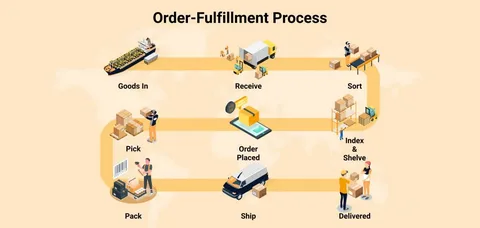
What is the difference between fulfillment and shipping? The order fulfillment process involves the complete execution of order having received the customer places an order to delivery, and includes inventory maintenance, placing of orders, assembly, dispatching, and other transportation related activities customer decides. Shipping in particular means delivery of packages to the place where the customer is located order fulfillment strategy.
How long does fulfillment typically take? The order fulfillment schedules depend on the complexity of an order, the product inventory levels, and processing capacities customer interactions. Standard fulfillment usually takes 1-3 business days to process before shipping whereas now the majority of operations have same-day or next-day fulfillment of praiseworthy products at selected destinations online store.
What are fulfillment costs? The fulfillment costs are usually comprised of storage charges, picking and packing costs, the shipping expenses and value adding services how much inventory. Prices depend on the product type, order quantity, the service level required, and the kind of facilities to be used to handle the product whether in-house facilities or third party facilities inventory storage.
Can small businesses afford professional fulfillment services? Yes, there are several providers of fulfillment that are scalable to help fulfillment solutions that can be suitable to the smallest business and the largest businesses timely delivery. Professional fulfillment services are often offered on a competitive rate to smaller businesses who can afford to share usage of infrastructure and efficiencies alongside professional expertise in ways that would be costly to develop themselves order fulfillment faqs.
What should I look for in a fulfillment partner? Some of the major considerations involve coverage of locations, tech capabilities fulfillment rate, scalability, experience in the industry, cost structure, and good track record on service quality online business. Look at partners you can be integrated with and come up with the special services that your business needs distribution center.
How does fulfillment work for international orders? International fulfillment also incorporates an added layer of complexity with awaiting fulfillment custom documentation, duty estimation, tax estimation, screening of any restricted items, and regulation of the destination country laws. A large number of fulfilment providers prefix special international services to deal with these needs satisfy customers.
Conclusion
Fulfillment is much more than just storage and delivery of products, it is a whole system, which directly influences customer satisfaction, efficiency of business operations, and sales increase ability fulfillment teams. Inventory management and order processing, to packaging and delivery, each element of the fulfillment process is also important as it affects the experience your customers have with your brand as a whole. The key to success in the in-house operations or engagement of third-party logistics provider is the ability to install strong systems, take advantage of proper technology and be single minded when it comes to precision and customer service. Mastering the fulfillment activities is the most suitable way that businesses will follow as e-commerce continues to transform to help in dealing with the change in the expectations by a rising number of customers besides creating sustainable competitive advantages within their fields.